
With so many different types and names for sugar, and so much misinformation out there about how we should be cutting down on the sweet stuff, it can be very confusing. Should we be going ‘sugar-free’? What are ‘free’ sugars and why are they not so good for our health? Is fruit sugar as bad as table sugar? And are raisins just full of added sugar, or is there more to them than that?
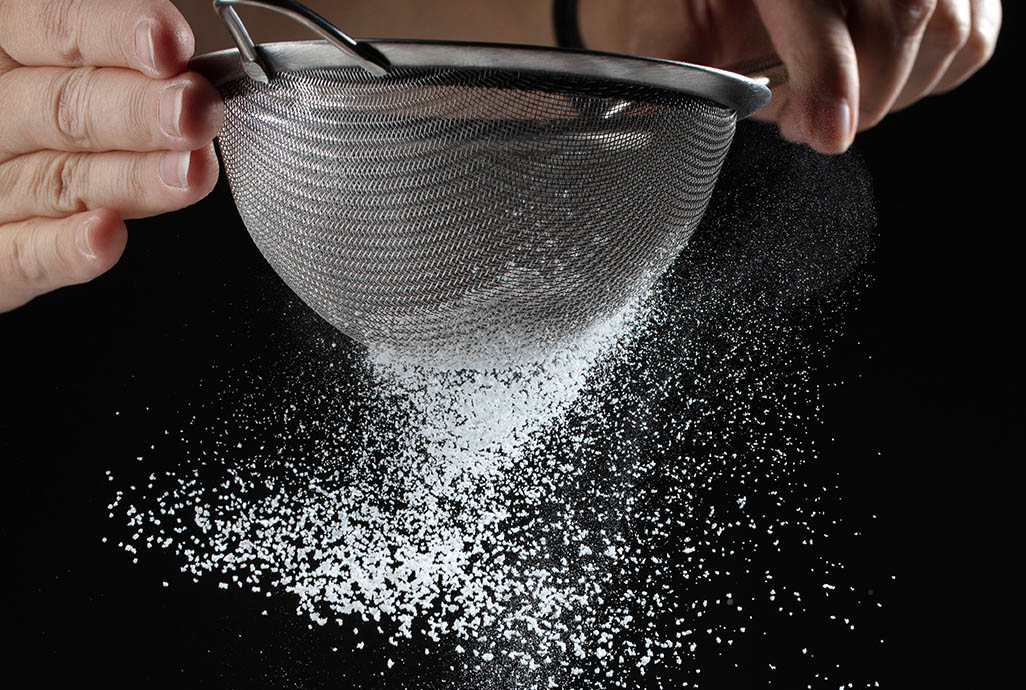
Simply put, sugar is type of carbohydrate and is, therefore an important source of energy for our bodies and brain. Most people think of sugar as the white granulated variety (aka sucrose or table sugar) we put in our tea or coffee, but it comes in many guises.
And despite what self-styled nutrition gurus and unqualified celebrities would have you believe, it’s almost impossible to completely remove sugar from our diet and go ‘sugar free’ because sugars are in lots of nutritious foods that we need to have a healthy, balanced diet. For example, there’s lactose (found in milk and dairy products like yogurt), glucose and fructose (found in fruits, including dried fruits like raisins, and vegetables) and maltose (found in grains like wheat and barley, and breakfast cereals).
Let’s get one thing clear – not all foods containing sugar are the same, so to help us better understand the sugars in our diet, the World Health Organisation separates them into two camps:
Milk and dairy foods (like yogurt, cheese); fruits and vegetables (fresh, frozen, canned and dried with no added sugars); beans and pulses; cereal grains; nuts and seeds all contain sugar, but these natural occurring (or intrinsic) sugars come ‘locked in’ as part of a nutrient package with vitamins and minerals, and in some cases fibre, which all work together to keep us healthy.
What we do need to cut down on are free (or added) sugars. They’re ‘free’ because they’re not naturally present in the food or drink – either because they’re added in, by us, by a chef or by a food manufacturer to enhance flavour, or they’re ‘freed’ from the plant cell walls of fruit and vegetables when they’re processed into juices, smoothies, purées and pastes.
Plus, don’t be hoodwinked by those ‘healthy’ unrefined sugar alternatives touted in the wellness world – the sugars naturally present in honey, molasses, trendy syrups (like maple, golden, coconut and agave) and nectars (such as blossom) all count as free sugars, and therefore need to be reduced in the diet, too.
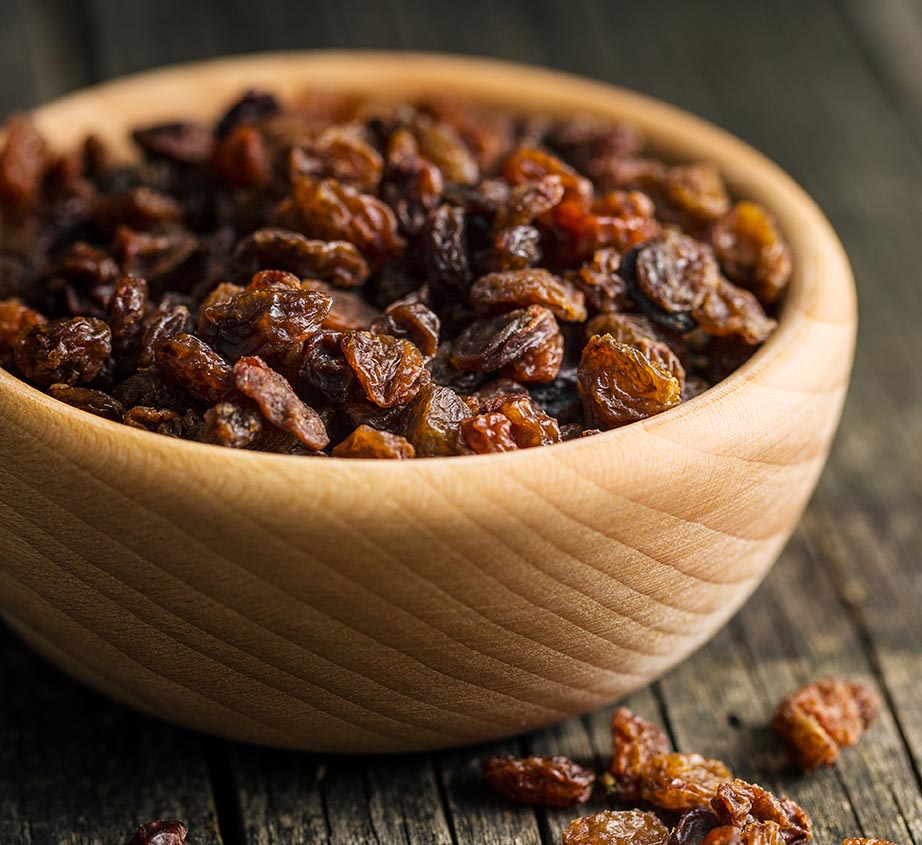
Raisins are just full of added sugar, right? Wrong – it’s NOT added. It was always there inside the fruit! Raisins are basically dried grapes – most of the water has been removed from the grapes though sun drying, which concentrates their natural sugars. That’s why raisins taste super sweet, but the sugar content of one raisin is actually no different to a fresh grape – it just comes in a smaller package!
And, as is the case with other traditional dried fruits, the sugars naturally present in raisins are bound within the fibrous matrix of the fruit, so they don’t count as the ‘free’ sugars type that we need to cut down on. This means that they’re slowly digested, which makes for better blood sugar (glucose) control.
What’s more, raisins come hand-in-hand with vitamins, minerals, bioactive plant compounds with antioxidant capacities, and fibre that many Brits aren’t getting enough of. Plus, a 30g portion (one tablespoon) counts as one of our five-a-day, too.
When it comes to our dental health, dried fruit, such as raisins has long been thought of as a big NO-NO due to their sugar content and supposed ‘stickiness’. Early research seems to suggest that dried fruit is not as detrimental to our dental health as once thought, and in fact, may provide some protective benefits. But, more research needs to be done to confirm this, and in the meantime, dentists and other health professionals will tell you that dried fruit is best enjoyed at mealtimes – as part of a dessert, for example, rather than as a snack.
Bottom line – Raisins are your friend. Yes, raisins are not currently recommended between meals to reduce the risk of tooth decay. BUT they provide ‘healthy calories’ as opposed to ‘empty calories’ in sweets, chocolate, cakes and biscuits, so they’re a good, naturally-sweet treat swap, and ingredient in baking, puddings or even savoury dishes – especially given that many of us still fail to reach the recommended five daily fruit and veg portions, and 30g fibre target, too.
There are several reasons why free sugars are bad for our health. To start with, free sugars provide the body with energy (calories), but not much else nutritionally, so they’re not necessary for a healthy diet. Plus, eating too many foods and drinks high in these sugars, like confectionary, leaves less room in our diet for other more nutritious foods.
But the trouble with consuming too many free sugars doesn’t end there. There’re around 16 calories in one teaspoon of sugar, so having more free sugars in our diet can make it harder to control our overall calorie intake, and an excess of calories can lead to us putting on weight. This in turn, could increase our risk of serious health problems like heart disease.
Lastly, there’s also the major risk to our dental health to consider – consuming too many foods and drinks high in free sugars, and too often, will do our precious pearly whites no favours at all! Plus, most sugary drinks are acidic, which can worsen dental problems and regular consumption may lead to type 2 diabetes, too.
The daily allowance (AKA the Reference Intake (RI) you’ll see on food labels) for total sugars is 90g a day, which includes the natural sugars you’ll find in dairy ingredients and fruit and vegetables (as a guide there’s around 10g in a glass (200ml) of milk, 27g in a medium banana, and 20g in a handful (30g) of raisins), and added ‘free’ sugars, too.
It’s recommended that we should get no more than 5% of our daily calories from free sugars, so the amount we should eat in a day depends on how old we are. To put this into context – children aged four to six years old should be limited to a maximum of 19g per day (around five sugar cubes). Seven to ten year olds should have no more than 24g (6 sugar cubes), and adults and children aged over 11 years shouldn’t have more than 30g of free sugars ( 7 sugar cubes) a day.
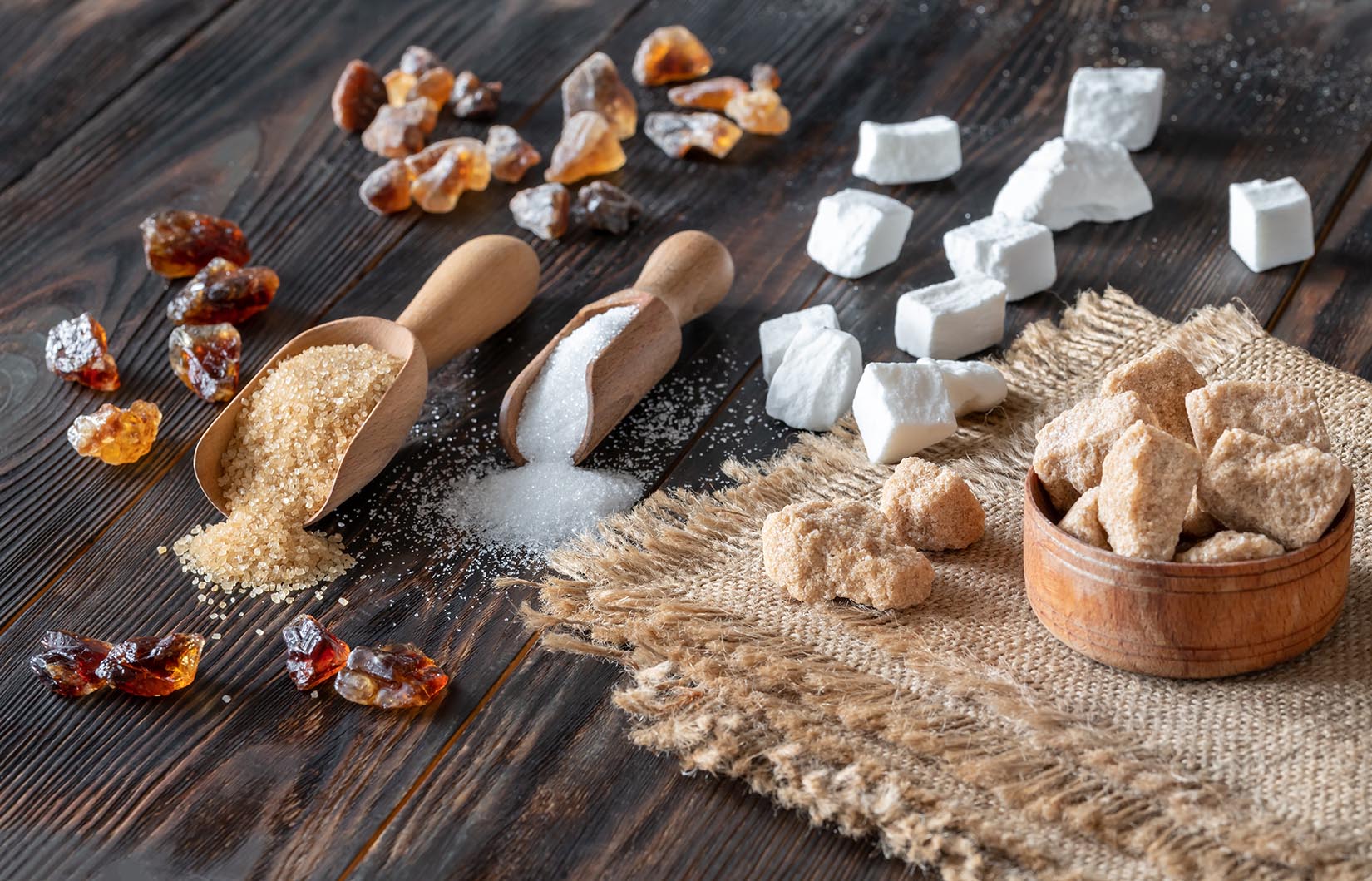
Worryingly, free sugars intakes in the UK far exceed recommendations. In fact, a staggering 87 per cent of adults exceed the 5% of our calories recommendation. The UK’s National Diet and Nutrition Survey, which gives us an insight into people’s eating habits, shows that on average, adults have around 50g a day (~13 teaspoons), and teenagers (11-18 year olds) are faring even worse, at 55g (14 teaspoons) a day.
Sugary drinks (fizzy drinks, energy drinks and cordials) are still the biggest source of free sugars for teenagers, and in the top ten for younger children and adults, too, along with table sugar, jams and sweet spreads; buns, cakes, pastries and fruit pies; biscuits; sugar and chocolate confectionary; fruit juice; breakfast cereals; yogurt, ice cream and other dairy deserts.
To add to the confusion around sugars, we need to do a bit of detective work if we want to work out the amount of free sugars in our favourite foods and drinks. Nutrition labels on packaging can help us understand how much the sugar is in different food or drinks – look for the ‘carbohydrates (of which sugars)’ figure to see how many grams of sugar there are per 100g or 100ml – and sometimes per portion, too.
But, remember this ‘sugars’ figure is the TOTAL amount of sugar, and includes both ‘naturally occurring’ sugars, as well as added sugars. That’s why you’ll see a value for sugar on bags of raisins – they DON’T have any sugar added to them, but they DO contain natural sugars. So, it can be a tricky thing to do working out how much of the sugar in products is coming from the free sugars type.
Even though the TOTAL sugar figure only tells us part of the story, if you want to know if a product is high in added or free sugars, then check the ingredients list. Any ingredients used to make a food or drink must be listed, in descending order of weight – so if sugar doesn’t appear in the ingredients list, then no sugar has been added!
Do keep in mind though that added sugar could be listed under many different names such as molasses, fructose, glucose fructose syrup, honey, malt sugar, agave syrup agave nectar – and the higher up the ingredient list they are, the more sugar is in the product!
We all enjoy a little sweetness in our lives, but there’s no getting away from the fact that as a nation, we really do eat too much of the ‘added’ sweet stuff – an average of 85 teaspoons per person, in a week. So, if you’re looking to cut down on free sugars in yours and your family’s diet, check out Helen’s top tips below….
References: